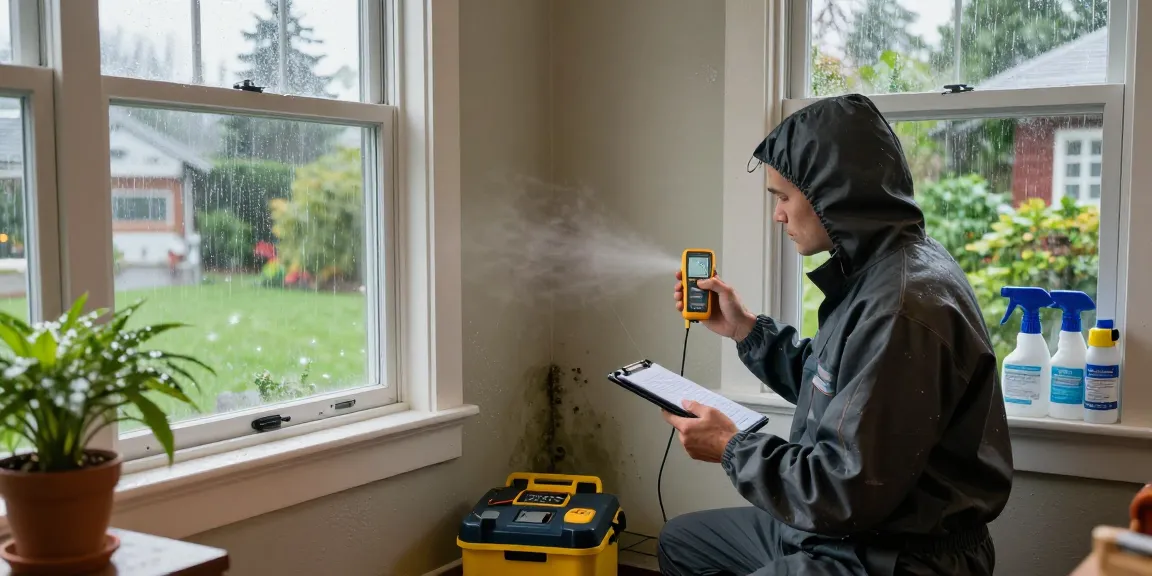
Understanding Mold Remediation: What You Need to Know
Mold can be a hidden menace in many homes, particularly in regions like West Vancouver, where the climate fosters damp conditions conducive to mold growth. Understanding the complexities of mold remediation is crucial for homeowners looking to protect their health and property. Mold remediation encompasses a series of thorough steps designed to remove mold effectively and prevent its return, focusing on both visible and hidden growths. When exploring options, Mold Remediation West Vancouver provides comprehensive insights into the services available for ensuring a safe and clean living environment.
What is Mold Remediation?
Mold remediation is the process of identifying, removing, and preventing mold growth in indoor environments. Unlike simple mold removal, which often involves cleaning visible mold, remediation addresses the root causes of mold growth, ensuring that conditions conducive to future growth are addressed. It combines the removal of contaminated materials, cleaning of affected areas, and implementation of moisture control strategies to keep homes safe.
The Importance of Professional Mold Remediation
Engaging professional services for mold remediation is vital for several reasons:
- Health Hazards: Mold can release spores and mycotoxins that pose serious health risks, particularly to sensitive individuals, such as those with asthma or allergies.
- Structural Integrity: Left untreated, mold can weaken building materials, leading to costly structural damage.
- Comprehensive Solutions: Professionals utilize industry-specific techniques and equipment, ensuring that mold is effectively identified and removed.
Key Terms in Mold Remediation
Familiarizing yourself with key terminology can help you better understand the mold remediation process. Some critical terms include:
- Containment: Methods used to prevent the spread of mold spores during remediation.
- HEPA Filtration: High-Efficiency Particulate Air filters that capture microscopic mold spores from the air.
- Antimicrobial Treatment: Chemicals used to inhibit mold growth on surfaces.
Signs You Need Mold Remediation in West Vancouver
Identifying the need for mold remediation is crucial for maintaining a healthy home environment. There are several indicators that homeowners should be aware of.
Identifying Visible Mold Growth
Visible mold often appears as black, green, or white patches on walls, ceilings, and floors. This visual evidence typically indicates a larger problem hidden within the structure. Homeowners should regularly inspect areas prone to moisture, such as:
- Bathrooms
- Basements
- Kitchens
- Near windows and doors
Common Symptoms of Mold Exposure
Mold exposure can lead to various health issues, such as:
- Respiratory problems, including asthma attacks
- Allergic reactions like sneezing and skin irritation
- Chronic fatigue and headaches
If you experience these symptoms and suspect mold, it’s essential to seek a professional assessment.
Hidden Mold: Where It Hides in Your Home
Aside from visible mold growth, mold can lurk in hidden areas, making it challenging to detect. Common hiding spots include:
- Behind drywall and paneling
- Under carpets and floorboards
- Inside ductwork and HVAC systems
- In attics and crawlspaces
Regular inspections and moisture checks can help identify these hidden threats before they escalate into larger issues.
The Mold Remediation Process Explained
The mold remediation process typically involves several critical steps, each designed to ensure thorough removal and long-term prevention.
Initial Assessment and Inspection
The first step is conducting a detailed inspection to identify the extent of mold growth and sources of moisture. Professionals use tools like moisture meters and thermal imaging cameras to detect hidden mold and water damage.
Containment Strategies for Safety
To prevent mold spores from spreading during the remediation process, containment strategies are put in place. This may involve sealing off the affected area with plastic sheeting and using negative air pressure to ensure spores do not escape into uncontaminated areas.
Cleanup and Restoration Techniques
Cleanup procedures include:
- Removal: Contaminated materials like drywall, insulation, or carpeting may need to be disposed of safely.
- Cleaning: Surfaces are cleaned and sanitized using specialized anti-fungal solutions.
- Restoration: After remediation, repairs or restorations are made for affected areas, returning the space to its original condition.
Cost Factors for Mold Remediation in West Vancouver
The costs associated with mold remediation can vary widely based on several factors. Understanding these can help homeowners budget effectively.
Average Costs and Pricing Models
On average, mold remediation costs in West Vancouver range from $500 to $6,000, depending on the severity and extent of the problem. Factors that affect pricing include:
- Size of the affected area
- Type of mold present
- Necessary removal and restoration efforts
How to Get Accurate Estimates
To receive accurate estimates, homeowners should obtain quotes from multiple certified mold remediation companies. Ensure that estimates include a breakdown of costs, scope of work, and expected timelines.
Insurance Considerations for Mold Remediation
Many homeowners’ insurance policies may cover mold remediation, especially if it is linked to water damage. Always check with your insurance provider to understand your coverage and any specific requirements needed for a claim.
Preventing Future Mold Growth in Your Home
Once mold has been removed, implementing preventative measures is essential to avoid recurrence.
Best Practices for Moisture Control
Moisture control is vital for preventing mold growth. Homeowners should:
- Ensure proper ventilation in high-moisture areas.
- Fix leaks immediately and monitor humidity levels.
- Use dehumidifiers in basements and crawlspaces.
Regular Maintenance Tips for Homeowners
Regular home maintenance can significantly reduce the risk of mold growth. Consider the following tips:
- Inspect roofs and gutters regularly.
- Clean and maintain HVAC systems to avoid moisture buildup.
- Take proactive measures during flooding or heavy rain events.
Choosing the Right Products for Prevention
Invest in high-quality mold-resistant products, such as paints and materials, especially in areas prone to moisture. These products can provide an additional layer of protection against mold growth.
What Health Problems Can Mold Cause?
Mold can lead to significant health issues, including respiratory illnesses, allergic reactions, and skin irritations. Vulnerable populations, such as children, the elderly, and those with pre-existing health conditions, are particularly at risk. Awareness of these potential health problems reinforces the need for prompt mold remediation.
How Long Does Mold Remediation Take?
The duration of mold remediation can vary based on the severity of the infestation and the size of the affected area. Generally, remediation can take anywhere from a few hours to several days. A comprehensive assessment by professionals can provide a more accurate timeline.
Can You Clean Up Mold Yourself?
While small areas of mold might be cleaned by homeowners, it is crucial to proceed with caution. Professional intervention is advisable for extensive mold growth, as untrained individuals may inadvertently spread mold spores or fail to address underlying moisture issues.
What Affects Mold Remediation Cost?
The cost of mold remediation can vary based on factors such as the complexity of the job, the extent of damage, and the local market. Homeowners should be prepared for variations in pricing and ensure they receive comprehensive estimates from contractors.
Do I Really Need Mold Remediation?
Yes, if you suspect mold presence in your home, professional remediation is essential. Mold can affect indoor air quality and pose health risks, making prompt action critical for safety.